Disposing Hazardous Waste in Holland Park: Legal Steps
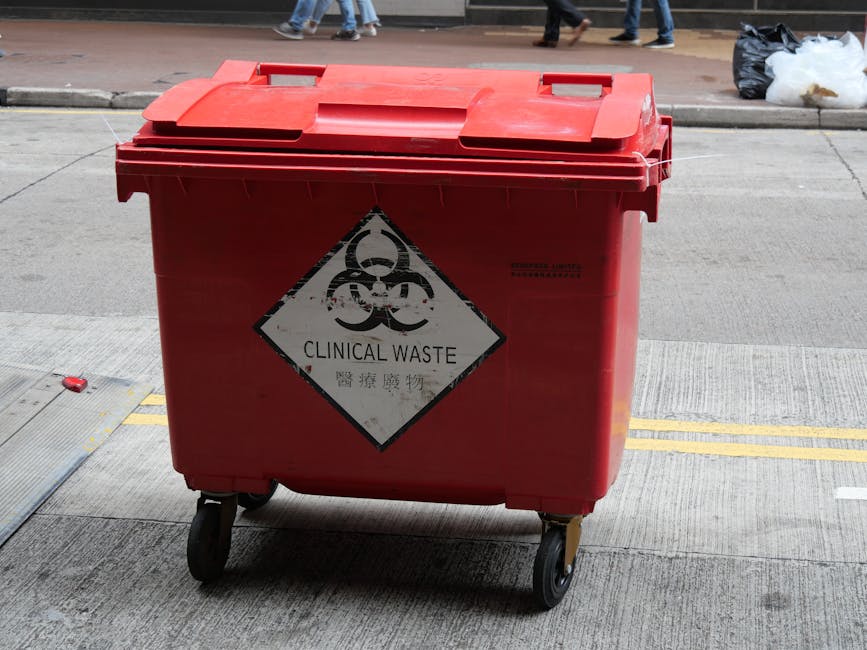
Hazardous waste has a habit of building up quietly. A half-used paint tin in the cupboard, an old battery, a broken fluorescent tube, leftover chemicals from DIY, maybe a tin of solvent that has been sitting there since the last flat refresh. Then one day you realise you cannot just sling it in the bin and hope for the best. If you are looking into Disposing Hazardous Waste in Holland Park: Legal Steps, you are probably trying to do the right thing without getting tangled in rules, confusion, or a rushed decision that could create more trouble later.
This guide walks through the legal steps in plain English, with a focus on practical action. We will cover what counts as hazardous waste, why the rules matter, how the process usually works in London, and what to do if you are dealing with household, rental, or business waste. There is also a checklist, a comparison table, and a real-world example so you can see how the pieces fit together. Let's keep it simple, but proper.
Why Disposing Hazardous Waste in Holland Park: Legal Steps Matters
Hazardous waste is not just "messy stuff you want gone". It is waste that can harm people, property, drains, air quality, or the environment if handled badly. In a place like Holland Park, where homes, mews properties, flats, offices, and renovation projects sit close together, a sloppy disposal choice can become a real nuisance very quickly. One leak in a hallway or one wrong bag in a shared bin store can affect everyone on the floor. Not ideal, to say the least.
The legal side matters because hazardous items often need sorting, packaging, transport, and disposal by people who understand the risks. That applies whether you are clearing a cupboard under the stairs, finishing a shop refit, or dealing with waste from a move. If a material is classified as hazardous, it should be handled in line with applicable UK waste rules and local collection arrangements. That usually means identifying the waste correctly, keeping it separate, and using an approved route rather than treating it like normal household rubbish.
There is also a financial reason to take this seriously. Incorrect disposal can lead to extra collection charges, delays, rejected waste, or a bigger clean-up job if something breaks or leaks. More importantly, if you are a business or landlord, careless disposal can become a compliance issue. No one wants a small shortcut turning into a bigger headache two weeks later.
Expert summary: the safest approach is simple: identify the waste, separate it, check how it must be handled, and use the correct disposal route. If in doubt, pause before you move it.
How Disposing Hazardous Waste in Holland Park: Legal Steps Works
The process is usually straightforward once you know what you are looking at. It starts with classification. Is it household paint, aerosol cans, chemicals, fuel, batteries, electrical items, light tubes, asbestos-containing material, or something else? Each type may need different handling. For example, some items are accepted at specific collection points, while others need specialist removal. That difference matters.
Next comes segregation. Hazardous waste should be kept away from ordinary rubbish and recyclable materials. This is partly to reduce contamination and partly to prevent accidents. A leaking container mixed with cardboard or soft furnishings is a nasty combination. You will know it when you smell it. In some cases, items should stay in their original packaging. In others, they need to be transferred into a secure, labelled container. The point is to reduce risk, not improvise.
Then there is transport. Hazardous waste should be moved safely, ideally in a vehicle and by a team set up for the job. If the waste is from a home move, renovation, or office clear-out, this stage often gets overlooked. People focus on getting rid of the clutter and forget that the van floor, straps, loading method, and containment all matter. That is where a sensible removal plan makes a difference. Services such as man and van support or a more robust vehicle option like removal truck hire can be useful when the job involves bulky items that still need careful handling, though hazardous materials themselves should only travel if the carrier is appropriate for them.
Finally, the waste should be taken to the right disposal point or transfer route. In practice, that may mean a council facility, a licensed waste contractor, or a specialist collection service depending on the material and quantity. The important bit is not guessing. Legal disposal is about matching the waste to the correct route, not finding the nearest skip and hoping for a miracle.
Key Benefits and Practical Advantages
Doing it properly brings more than compliance. It saves time, reduces stress, and keeps your property safer. That sounds obvious, but when people are in the middle of a move or clear-out, obvious things get forgotten very fast.
- Less risk of contamination: hazardous liquids and powders stay away from standard household waste and recycling streams.
- Better safety for everyone: cleaners, movers, neighbours, and waste handlers are less likely to come into contact with dangerous materials.
- Fewer delays: properly sorted waste is less likely to be rejected or sent back for rehandling.
- Cleaner property handovers: especially helpful for tenants, landlords, and managing agents in shared buildings.
- Reduced legal exposure: businesses and property owners can show they took reasonable steps.
- Less stress during a move or refurb: you are not trying to solve a waste problem at the last minute.
There is also a practical flow-on benefit. When you separate hazardous waste early, the rest of the clear-out becomes easier. A bedroom full of broken furniture and old boxes is one thing. A bedroom full of broken furniture, old boxes, leaking chemicals, and mystery batteries is another story entirely. Best to keep those worlds apart.
If your clear-out is linked to a larger move, it can help to plan the waste alongside the packing process. The team at packing and unpacking services can help keep non-hazardous items organised, which makes it easier to isolate anything that needs separate handling. It is a small detail, but small details save time.
Who This Is For and When It Makes Sense
This topic matters to more people than you might expect. Yes, it applies to homeowners and tenants. But it also comes up for landlords, office managers, tradespeople, and anyone clearing out a property after renovation, refurbishment, or long-term storage.
You may need a proper hazardous waste disposal plan if you are dealing with:
- old paint, varnish, glue, or solvent-based products
- batteries, especially swollen or damaged ones
- fluorescent tubes or other fragile lighting components
- aerosols or pressurised cans
- cleaning chemicals, disinfectants, or pool products
- garden chemicals or pesticides
- oil, fuel, or oily rags
- electrical items with damaged components
- construction dust or material that may contain hazardous substances
- small quantities of material left after a move, declutter, or office move
It also makes sense if you are short on space. Holland Park properties are often beautifully proportioned, but let's face it, even a stylish West London flat does not magically grow a locked storage area for old chemicals. If you cannot safely store the item until collection, you need a quicker plan.
Businesses should be especially careful. A retail unit, studio, office, or workshop may produce waste that looks minor but still falls into a regulated category. For commercial clearances, it is often wise to pair waste removal with a structured move or relocation plan such as commercial moves or office relocation services so hazardous items are identified early instead of discovered at the loading stage. That little bit of planning makes a huge difference.
Step-by-Step Guidance
If you want a practical route through the legal steps, use this order. It is not glamorous, but it works.
- Identify the item or material. Read the label, packaging, or any product information you still have. If the container has no label, be cautious. Unknown liquids and powders should never be mixed with other waste.
- Separate it from ordinary rubbish. Put it in a secure place away from children, pets, heat, and food storage areas. Keep lids tight and containers upright if possible.
- Check whether it can be reused or returned. Some products can be passed on only if they are safe and in suitable condition. If not, treat them as waste.
- Choose the right disposal route. That may be a council-approved collection, a specialist waste company, or a service that can remove the item as part of a larger clearance.
- Prepare the item for handling. Use original packaging if available, tape closed lids where appropriate, and avoid overpacking. Never mix chemicals together. That sounds like a bad home science experiment because it is.
- Arrange safe transport. Make sure the load is secure, the route is clear, and the carrier is informed about what is being moved.
- Keep records if you are a business or landlord. Notes, collection details, and waste transfer information can help show you followed proper procedure.
- Confirm final disposal. Do not assume an item has been handled correctly just because it left the building. Check that it went to an appropriate destination or licensed route.
If you are clearing a house as part of a move, the process becomes easier when you have a proper vehicle and a team that can manage the load carefully. A house removalists service can help with larger domestic moves, while home moves support can keep the whole house transition more orderly. Again, the hazardous items still need separate handling, but the wider move becomes much less chaotic.
Expert Tips for Better Results
In our experience, most disposal problems start before the item even leaves the property. So a few small habits go a long way.
- Do a room-by-room sweep early. Garages, under-sink cupboards, utility rooms, and loft corners are common hiding spots.
- Keep one "do not bin" box. Put questionable items there until you have checked them properly. It is a simple fix that prevents mistakes.
- Never decant unknown liquids. If you do not know what it is, moving it between containers can make matters worse.
- Watch for damaged packaging. A dented aerosol or cracked bottle needs more caution than a sealed tin.
- Use gloves and ventilation where sensible. Not every item requires a full protective suit, but common sense helps. Open windows, breathe easy.
- Separate batteries from metal objects. Loose contact can cause heat or short circuits.
- Plan around other removals. If you are also moving furniture or a truckload of belongings, stage hazardous waste first so it does not get buried under everything else.
One of the best habits is also the simplest: label anything uncertain. Even a basic note like "unknown cleaner - do not mix" can prevent someone else from making a dangerous assumption. A tiny bit of tape and a marker pen can save a lot of stress.
And here is a slightly boring but useful tip: if you are hiring support for bulky non-hazardous items, such as through furniture pick-up or man with van help, keep the hazardous waste out of the load unless the provider has explicitly said it is acceptable. No surprises is best. Always best.
Common Mistakes to Avoid
People usually do not mean to break the rules. They are trying to tidy up quickly. That is exactly when mistakes happen.
- Mixing hazardous waste with general rubbish. This is the most common error and the one most likely to create contamination.
- Pouring liquids down drains. Even small amounts can cause problems for plumbing and wastewater systems.
- Leaving items in shared bin areas. In flats and managed buildings, this can become a safety issue and annoy everyone nearby.
- Using the wrong vehicle or container. A loose load in the back of a van is not a proper disposal plan.
- Assuming every contractor handles hazardous waste. Many removal services manage standard household or office items, but not all are set up for dangerous materials.
- Ignoring labels and warnings. If the packaging says flammable, corrosive, toxic, or harmful, take it seriously.
- Waiting too long. Old chemicals can deteriorate. Damaged batteries can swell. Time is not always your friend here.
A small cautionary example: a tenant clears out before a tenancy ends and leaves a box of mixed cleaning products in a cupboard. The next person opens it, finds one leaking bottle, and suddenly the whole shelf needs cleaning. That is avoidable. It really is.
Tools, Resources and Recommendations
You do not need a warehouse full of specialist gear to manage most household hazardous waste properly. A few practical items are usually enough.
- Sturdy gloves: useful for handling dirty or leaking packaging.
- Sealable containers or tubs: helpful for keeping items upright and separate.
- Labels and marker pens: ideal for marking unknown or fragile items.
- Absorbent material: useful in case of minor leaks inside a container.
- Plastic sheeting or a tray: helps protect floors during sorting.
- Flashlight: surprisingly handy for checking cupboards, garages, and low shelving.
- Basic inventory list: even a handwritten note can help if several items need different treatment.
For larger domestic clear-outs, especially where hazardous items appear alongside furniture and general household waste, it can help to use a service that supports the whole removal process. A vehicle-based solution like moving truck hire can be useful for the broader move, while the hazardous items are set aside for the correct disposal route. The point is to keep the process neat, not to rush everything into one pile and hope for the best.
If you want to understand the company behind the removal support you are considering, the about us page is a sensible place to start. And if you are weighing up practical details, the terms and conditions and privacy policy pages are worth reading before booking anything. It is not thrilling reading, granted, but it beats guessing.
Law, Compliance, Standards, or Best Practice
When hazardous waste is involved, the core principle is simple: do not dispose of it casually. UK waste law and local controls generally expect waste to be handled responsibly, kept separate when needed, and passed to the correct route for treatment or disposal. The exact obligations can vary depending on whether the waste comes from a household, landlord activity, renovation project, or business operation.
For households, the main concern is safe separation and using approved disposal options. For businesses, the bar is higher because there may be record-keeping duties, duty-of-care expectations, and additional controls around storage and transfer. If you are a landlord or managing agent, you should also think about the safety of communal spaces, cleaners, and incoming occupants. A cupboard full of old cans is not just clutter; it can become a liability.
Best practice normally includes:
- identifying the waste before moving it
- storing it securely and separately
- avoiding leaks, mixing, or crushing
- using a suitable carrier or disposal route
- keeping documentation where relevant
- making sure staff or residents know not to interfere with it
If asbestos is suspected, do not treat it like ordinary rubbish. Stop and seek specialist advice. That one deserves respect. Same for heavily contaminated items, unknown liquids, or anything that is clearly unstable. The legal and safe step is usually to slow down, not speed up.
Options, Methods, or Comparison Table
There is rarely one single "best" route. It depends on what the item is, how much there is, and how quickly it needs to go. This table gives a practical comparison.
| Method | Best for | Pros | Watch-outs |
|---|---|---|---|
| Household separation and approved drop-off | Small quantities of common items like batteries or paint | Cost-effective, simple for minor waste | Can be time-consuming if you have several item types |
| Specialist hazardous waste collection | Damaged, unknown, or larger quantities | Safer handling, more compliant, less guesswork | May require more notice and careful scheduling |
| Combined move and clearance service | Moves, declutters, or refurbishments with mixed waste | Efficient for bulky non-hazardous items alongside separate waste planning | Hazardous items still need correct classification |
| DIY disposal without checking | Not recommended | Feels quick at first | Higher risk of error, contamination, and rejected waste |
For many people in Holland Park, the combined option makes the most sense because life is busy and space is limited. If you are clearing a flat before moving, for example, you might use man-and-van support for the general load and then handle the hazardous items through the proper route. That split is usually the cleanest solution. Simple, but effective.
Case Study or Real-World Example
Picture a small Kensington and Chelsea flat in Holland Park after a long tenancy. The occupier has a few boxes of books, some broken kitchenware, an old vacuum, two swollen batteries from a remote, a half-used tin of paint, and a bottle of strong household cleaner under the sink. The move-out date is close, the hallway is narrow, and the landlord wants the flat cleared without delays.
What happens next in a sensible plan? First, the batteries and chemicals are separated from the general rubbish. The paint is checked to see whether it is sealed and stable. The vacuum and other bulky non-hazardous items are scheduled for removal. A removal team handles the furniture and standard contents, while the hazardous materials are kept aside for correct disposal. The property is left tidy, the mover is not asked to take something risky, and nobody is scrambling on the day with a leaking bottle in one hand and a bin bag in the other.
That kind of arrangement is common in practice. It is not dramatic. It is just good planning. And honestly, that is what most successful disposals come down to.
Practical Checklist
Use this checklist before you move or dispose of anything that might be hazardous.
- Have I identified what the item is?
- Does the label mention flammable, toxic, corrosive, harmful, or similar warnings?
- Is the item leaking, damaged, swollen, or unstable?
- Have I separated it from normal rubbish and recycling?
- Is it stored away from heat, children, pets, and food areas?
- Do I know the correct disposal route?
- Do I need a specialist collector or approved drop-off point?
- Am I keeping records if the waste is business-related?
- Have I told movers or helpers not to include it with other items?
- Have I checked whether any extra care is needed for transport?
Quick takeaway: if the item is unknown, damaged, or reactive, treat it cautiously and keep it separate until you know the right route.
Conclusion
Disposing hazardous waste the right way in Holland Park is not about making life complicated. It is about taking a few careful steps so the waste does not become a safety issue, a compliance issue, or a problem for someone else later on. Identify it, separate it, choose the right disposal method, and do not mix it with ordinary household or office rubbish. That simple discipline goes a long way.
If your disposal needs are tied to a move, declutter, or office relocation, it often helps to plan the bulky items and the hazardous items separately so nothing gets missed in the rush. A calm, orderly approach is nearly always the best one. A bit of structure now saves a lot of grief later.
Get a free quote today and see how much you can save.
And if all you do after reading this is sort out one risky cupboard or one forgotten box in the hallway, that is still a win. Small progress counts.
Frequently Asked Questions
What counts as hazardous waste in a home?
Common examples include batteries, paint, solvents, aerosols, cleaning chemicals, fuels, fluorescent tubes, and some damaged electrical items. If a product label warns that it is flammable, toxic, corrosive, or harmful, treat it carefully and keep it separate until you know the correct route.
Can I put hazardous waste in my regular bin?
Usually no. Hazardous waste should not be mixed with normal rubbish because it can leak, react, or contaminate other waste streams. Even a small amount can cause a problem if the item is broken or pressure-sensitive.
Do I need a specialist company for all hazardous waste?
Not always. Small household quantities may have approved disposal routes, but larger, unknown, damaged, or business-related waste often needs specialist handling. The right answer depends on the material, quantity, and risk involved.
What should I do with old paint tins?
Check whether they are sealed, stable, and still identifiable. Do not pour paint down the sink or mix it with other liquids. If you have several tins, keep them upright and separate from general waste until you have chosen the correct disposal method.
Can movers take hazardous items with the rest of my belongings?
Usually only if they are properly equipped and have agreed to handle that type of material. Many removal services move furniture and household contents but do not take hazardous waste as part of a standard load. Always check before the day arrives.
Is it illegal to throw batteries away with normal rubbish?
It can be inappropriate and may breach waste handling rules, especially if the batteries are damaged or part of business waste. Batteries should be kept separate and disposed of using a suitable route.
What if I do not know what the item is?
Do not guess. Keep it separate, avoid opening it, and do not mix it with anything else. Unknown liquids, powders, and containers are best handled cautiously because the risks are not always visible.
How should businesses handle hazardous waste during an office move?
Businesses should identify regulated items early, keep them out of the general move load, and maintain any records needed to show proper handling. It is often sensible to combine the move plan with a waste plan, especially when clearing storage rooms or old supplies.
Can I store hazardous waste at home until I am ready to dispose of it?
Yes, for a short period, provided it is stored safely, upright, sealed where appropriate, and away from heat, children, and pets. If the item is leaking, unstable, or strongly odorous, move it only if you can do so safely and then arrange prompt disposal.
What is the safest first step if I find a suspicious chemical container?
Leave it where it is if possible, keep people away, and avoid moving or opening it. If it appears damaged or hazardous, the safest action is to isolate it and seek the right disposal route rather than trying to solve it quickly yourself.
Do I need to keep records of hazardous waste disposal?
For households, records are not always necessary, but for businesses and landlords they can be important. Keeping notes, collection details, and any transfer information helps show that the waste was handled responsibly.
What is the biggest mistake people make with hazardous waste during a move?
The biggest mistake is leaving it until the last minute. Once the packing starts and the rooms empty out, hazardous items can get lost in the shuffle. Sorting them early keeps the move safer, cleaner, and far less stressful.